


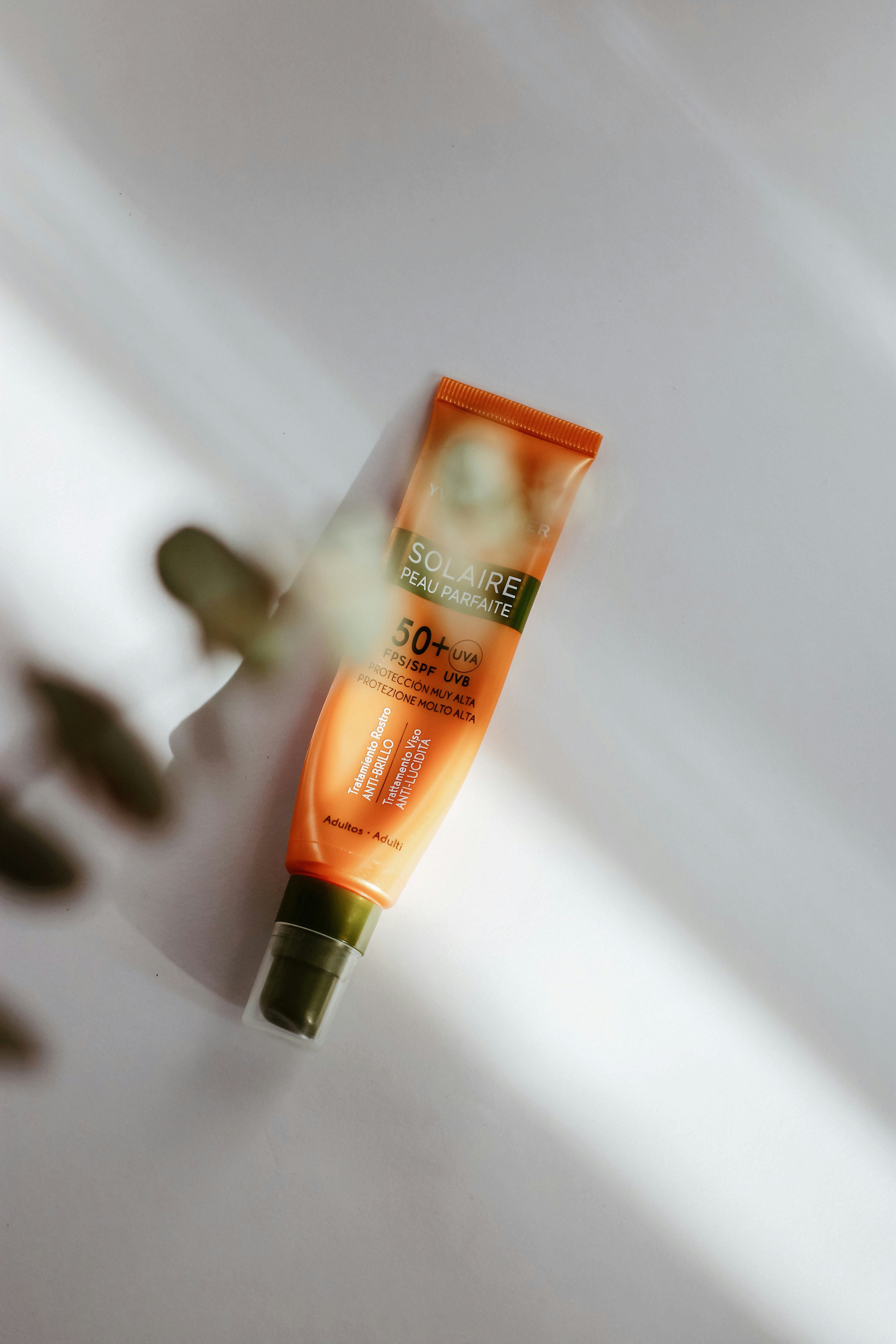


Introduction to Sunscreens for Sensitive Skin
Sensitive skin is a condition characterized by increased reactions to various environmental factors, including temperature changes, heat, and certain cosmetic products. Individuals with sensitive skin often experience irritation, redness, or a burning sensation. These reactions can be exacerbated by the use of inappropriate skincare products, especially sunscreens, which are crucial for protecting the skin from harmful UV rays. For this reason, selecting the right sunscreen is imperative for those with sensitive skin.
The importance of using a suitable sunscreen cannot be overstated, particularly for individuals prone to skin sensitivities. Many over-the-counter sunscreens contain chemical filters, fragrances, or preservatives that can trigger adverse reactions in sensitive skin types. Ingredients such as oxybenzone and avobenzone, while effective at protecting against UV radiation, can lead to irritation for some individuals. Consequently, it is vital to search for sunscreens that are specifically formulated for sensitive skin to minimize the risk of discomfort and adverse reactions.
Formulations designed for sensitive skin typically incorporate physical blockers such as zinc oxide and titanium dioxide. These ingredients form a protective barrier on the skin’s surface and reflect harmful UV rays rather than being absorbed into the skin, making them less likely to cause irritation. Additionally, many products for sensitive skin are free from common irritants, such as fragrances, alcohol, and parabens, further reducing the likelihood of adverse reactions. Understanding the unique needs of sensitive skin is essential for choosing the best sunscreen, ensuring not only adequate sun protection but also the overall health and comfort of the skin.
Understanding Sensitive Skin Types
Sensitive skin is a common condition that can manifest in various ways, often causing discomfort and requiring specialized care. It is important to understand what constitutes sensitive skin as this knowledge can aid in selecting appropriate skincare products, particularly sunscreens. Generally, sensitive skin is characterized by increased reactivity to environmental factors, skincare ingredients, and even certain fabrics or climates. This heightened sensitivity can lead to a range of skin disorders, including eczema, rosacea, and allergic reactions.
Eczema, also known as atopic dermatitis, is a chronic condition that causes the skin to become dry, itchy, and inflamed. Individuals with eczema often experience flare-ups that can be triggered by irritants, allergens, and extreme weather conditions. Consequently, the choice of sunscreen for those with eczema is vital, as traditional formulations may exacerbate symptoms. It is advisable for this skin type to opt for mineral-based sunscreens containing zinc oxide or titanium dioxide, which provide a protective barrier without irritating sensitive skin.
Rosacea is another prevalent condition associated with sensitive skin. This inflammatory disorder is characterized by persistent redness, visible blood vessels, and sometimes acne-like bumps. The skin of individuals with rosacea tends to be more prone to irritation and flushing. Therefore, selecting a gentle, fragrance-free sunscreen specifically designed for sensitive skin is crucial in minimizing discomfort and protecting against UV damage.
Allergic reactions also categorize skin as sensitive. Allergies to certain ingredients in skincare products can provoke rashes, hives, or contact dermatitis. Those with a history of allergic reactions should conduct patch tests with new products, including sunscreens, to ensure they do not trigger adverse effects.
In essence, recognizing the specific characteristics of sensitive skin types—such as eczema, rosacea, and allergic responses—enables individuals to make informed choices regarding their skincare routine, particularly when it comes to sunscreen selection.
Ingredients to Look For in Sunscreens
When selecting a sunscreen for sensitive skin, it is crucial to pay attention to the ingredients that provide both protection and nourishment without causing irritation. Two of the most beneficial physical blockers commonly found in sunscreens are zinc oxide and titanium dioxide. These mineral ingredients are preferred for sensitive skin because they work by sitting on top of the skin and deflecting harmful UV rays, rather than being absorbed into the skin, which can provoke allergic reactions or irritations.
Zinc oxide is known for its broad-spectrum protection, safeguarding against both UVA and UVB rays. It is also recognized for its soothing properties, making it an ideal choice for individuals with conditions like eczema or rosacea. Similarly, titanium dioxide provides effective UV protection while being less likely to cause irritation or allergic reactions compared to some chemical filters. Thus, these physical blockers serve as the foundation of an effective sunscreen for sensitive skin types.
In addition to sunscreen actives, certain hydrating and soothing compounds significantly contribute to the formulation’s overall efficacy. For example, aloe vera is widely acclaimed for its hydrating, calming, and anti-inflammatory properties. It can help to minimize redness and irritation, providing a gentle hydration boost that enhances the skin barrier. Chamomile, another skin-friendly ingredient, offers additional soothing benefits, making it a popular choice in formulations designed for sensitive skin types.
Choosing a sunscreen that combines these essential ingredients can help ensure effective protection while simultaneously addressing the unique needs of sensitive skin. By opting for formulations rich in zinc oxide, titanium dioxide, aloe vera, and chamomile, consumers can enjoy peace of mind knowing their sun protection is both effective and gentle, allowing their skin to remain healthy and irritation-free.
Ingredients to Avoid in Sunscreens
When selecting a sunscreen, particularly for sensitive skin, it is crucial to be aware of the ingredients that can potentially cause harm or irritation. One of the primary ingredients to avoid is synthetic fragrances. These compounds are commonly added to enhance the scent of personal care products; however, they can lead to allergic reactions or irritation in individuals with sensitive skin. It is advisable to choose products labeled as “fragrance-free” or “unscented” to minimize the risk of adverse reactions.
Another category of ingredients to avoid are alcohols, particularly denatured alcohol or isopropyl alcohol. While these ingredients may serve to enhance product texture and absorption, they can also strip the skin of its natural oils, leading to dryness and increased sensitivity. Opting for alcohol-free formulations can help maintain the skin’s natural moisture barrier, which is crucial for people with sensitive skin.
Parabens, used as preservatives in many cosmetics and skincare products, also merit attention. While research on the potential effects of parabens is ongoing, they have been associated with skin irritation in some individuals. Products that are labeled as “paraben-free” are often a safer choice for those who have heightened skin sensitivities.
Moreover, it is important to remain cautious about chemical sunscreens containing ingredients such as oxybenzone or avobenzone. These compounds may provide effective UV protection but can also lead to skin irritation for those who are particularly sensitive. Instead, considering physical or mineral sunscreens that contain zinc oxide or titanium dioxide may provide necessary protection while reducing the risk of irritation.
In summary, avoiding synthetic fragrances, harsh alcohols, parabens, and certain chemical absorbers can help those with sensitive skin make informed choices when selecting the best sunscreen for their skincare needs.
The Best Sunscreens for Sensitive Skin in 2025
Choosing the right sunscreen for sensitive skin can be a daunting task, especially when considering the myriad options available in 2025. Among the standout products, several sunscreens have gained prominence due to their formulations, effectiveness, and superior user ratings.
First on the list is the UltraGent SPF 50. This sunscreen is particularly praised for its mineral-based formulation, utilizing zinc oxide to provide broad-spectrum protection without irritating the skin. Users have noted that it absorbs quickly and leaves a matte finish, making it suitable for daily wear. Additionally, its hypoallergenic properties cater specifically to individuals with sensitive skin.
Another notable option is the Calm Skin SPF 30. Renowned for its lightweight consistency, this sunscreen contains soothing ingredients like aloe vera and chamomile, which help to reduce redness and irritation. Reviews highlight its effectiveness against both UVA and UVB rays while being free from parabens and fragrances, ensuring it is gentle enough for sensitive skin types.
The Soothe & Shield SPF 45 is also making waves in 2025. Boasting a blend of antioxidants, this product not only protects against sun damage but also shields the skin from environmental stressors. Users commend its moisturizing properties, making it an excellent choice for those with dry or irritated skin. Furthermore, its non-comedogenic formulation ensures that it does not clog pores, making it safe for all skin types.
Lastly, the Pure Mineral SPF 50 has garnered high ratings for its efficacy. This sunscreen employs natural mineral ingredients, providing a physical barrier against harmful sun rays. Its formulation is free from chemical filters, making it an ideal choice for individuals with eczema or other skin conditions. Users have found that it dries clear on the skin, eliminating the common drawback of white residue often associated with mineral sunscreens.
These products showcase a promising combination of effectiveness, skin-friendly formulations, and high user satisfaction, making them top contenders for individuals with sensitive skin in 2025.
Testing and Reviews Methodology
When determining the best sunscreen options for sensitive skin in 2025, a thorough testing and review methodology was employed to ensure efficacy, safety, and user satisfaction. The evaluation process began with a comprehensive selection of products specifically formulated for sensitive skin, taking into account various factors including formulation types, SPF ratings, and active ingredients recognized for their gentle properties. Additionally, sunscreens containing potentially irritating additives were excluded from the initial list to prioritize skin safety.
Dermatological testing played a pivotal role in our methodology. Each product underwent clinical evaluations conducted by certified dermatologists. These experts assessed the efficacy, gauging the sunscreen’s ability to protect against UV rays without causing irritation or adverse reactions. Furthermore, patch tests were administered to a diverse group of participants with sensitive skin, measuring not only irritation levels but also skin hydration and overall comfort following application.
Beyond clinical assessments, user reviews were extensively analyzed. Real-world feedback from individuals testing these products in various conditions provided valuable insights into how each sunscreen performed. User experiences on application, texture, longevity, and overall satisfaction were compiled from reputable beauty and skincare blogs, online forums, and e-commerce platforms. This broad array of perspectives ensured a more holistic understanding of the product’s performance in everyday use.
Additionally, a detailed ingredient analysis was performed for each sunscreen. Ingredients were scrutinized for known allergens, irritants, and comedogenic properties that could affect sensitive skin. Safe and effective components—such as mineral sunscreens like zinc oxide and titanium dioxide—were prioritized while avoiding harmful additives like oxybenzone and parabens. This rigorous methodology provided a solid foundation for evaluating which sunscreens deserve to be recognized as the best options for sensitive skin in 2025.
Application Tips for Sensitive Skin
When it comes to applying sunscreen on sensitive skin, using the right techniques can significantly enhance its efficacy and comfort. First and foremost, it is crucial to select a broad-spectrum sunscreen that is specifically formulated for sensitive skin. Such products typically contain physical blockers like zinc oxide or titanium dioxide, which provide excellent protection without irritating delicate skin.
The quantity of sunscreen used is also pivotal. Dermatologists generally recommend applying approximately one ounce, or a shot glass full, to cover the entire body adequately. For the face, a nickel-sized amount should suffice. This ensures an even layer of protection is provided, minimizing the risk of any exposed areas that could lead to sunburn or skin irritation.
Timing is another essential element in the application process. It is advisable to apply sunscreen at least 15 to 30 minutes before sun exposure. This waiting period allows the active ingredients sufficient time to bond with the skin, thereby maximizing its protective properties. Additionally, it is essential to reapply sunscreen every two hours, or immediately after swimming or excessive sweating. For people with sensitive skin, opting for a water-resistant sunscreen can offer added protection during these activities.
Application technique also plays a critical role in preventing irritation. Gently pat or rub the sunscreen into the skin rather than vigorously rubbing it, to avoid exacerbating any existing sensitivity. For areas prone to sunburn, such as the nose and ears, be sure to apply an additional layer of sunscreen. Lastly, conducting a patch test on a small area of skin can help determine how the skin will react to the product before full application, ensuring a more secure and gentle experience for sensitive skin types.
Common Myths About Sunscreen
Sunscreen has often been surrounded by numerous misconceptions, particularly among individuals with sensitive skin. Addressing these myths is essential in promoting informed decision-making regarding sun protection. One prevalent myth is that sunscreen is unnecessary on cloudy days. Many people believe that UV rays cannot penetrate clouds; however, studies show that up to 80% of UV rays can reach the skin, even on overcast days. For those with sensitive skin, exposure to ultraviolet radiation can exacerbate conditions such as rosacea or eczema, making sunscreen application crucial regardless of weather conditions.
Another common misconception is that all sunscreens cause irritation or adverse reactions, especially for those with delicate skin types. While it is true that some chemical sunscreens may not be suitable for sensitive skin, there are many formulations specifically designed to minimize irritation. Mineral sunscreens, which contain zinc oxide or titanium dioxide, tend to be gentler and provide effective protection against harmful UV rays without the chemical ingredients that may provoke sensitivities.
Some people also believe that a higher SPF guarantees better protection. While SPF is an important factor, it is not the only consideration when selecting the best sunscreen for sensitive skin. The broad-spectrum label is equally crucial, as it indicates protection against both UVA and UVB rays. Additionally, reapplication is essential, especially after swimming or sweating, regardless of the SPF value, to maintain effective sun defense.
Other myths, such as the belief that darker skin tones do not require sunscreen, can be harmful. While melanin offers some natural protection, it does not provide complete shielding from sun damage, and individuals of all skin tones should prioritize sun safety. Educating oneself about these myths and seeking professional guidance can significantly enhance the effectiveness of sunscreen use and overall skin health.
Conclusion and Final Recommendations
In 2025, selecting the best sunscreen for sensitive skin requires a nuanced understanding of individual needs and skin types. The importance of choosing the right formula cannot be overstated, as sensitive skin can react negatively to harsh chemicals and fragrances found in many mainstream sunscreens. It is essential to look for products labeled as hypoallergenic, non-comedogenic, and free from parabens and sulfates, which can exacerbate skin irritation.
Physical sunscreens, often containing ingredients like zinc oxide or titanium dioxide, are generally recommended for those with sensitive skin. These mineral-based formulations sit on the skin’s surface and reflect harmful UV rays rather than absorbing them like their chemical counterparts. Additionally, selecting a sunscreen with added moisturizers can further enhance the comfort level for sensitive skin, preventing dryness and irritation.
Moreover, it is advisable to conduct patch tests before fully incorporating any new sunscreen into your skincare routine. Applying a small amount of product on a discreet area of skin can help identify potential adverse reactions without risking a larger area of skin. This approach promotes a more personalized skincare regimen tailored to the specific sensitivities of your skin type.
Furthermore, it is beneficial to read user reviews and consult dermatologist recommendations before making a purchase. Different brands offer unique formulations that can cater to varying needs, making it all the more critical to find a sunscreen that works harmoniously with your skin. Remember, maintaining sun protection is vital year-round, and taking the time to identify the right sunscreen for sensitive skin can safeguard not only your skin’s health but also its long-term appearance. By prioritizing individual preferences and skin compatibility, one can effectively navigate the myriad of options available in the market today.
Add Your Heading Text Here

 English